Moisture log
Daily readings showing the structure drying
Roof leak water cleanup Burleson TX starts with a fast call and a faster truck. When a storm tears off shingles or a flashing joint fails, water runs down rafters, soaks insulation, and stains your ceiling within hours. We pull that water out, dry the structure, and hand you photos for the insurance claim. Homeowners and property managers across Johnson County call us because we treat a wet ceiling like the emergency it is.

★ A roof leak rarely drips where it enters — water travels along rafters and drywall before it shows as a ceiling stain, so the wet area inside is usually bigger than the stain. Roof leak water cleanup means finding the true spread with moisture meters, extracting and drying ceilings, walls, insulation and floors, and documenting everything for the claim while the roof itself gets repaired.
Call (817) 555-0123North Texas hail season and straight-line wind storms lift shingles, crack flashing and open seams that only show themselves in the next rain. Burleson homes get the full pattern: spring hail, summer downpours that find every weak valley, and debris-clogged gutters pushing water back under the edge. Most “roof leaks” are really flashing, vent-boot and valley failures — small openings, big interior damage.
Cleanup starts inside: moisture mapping to find how far the water actually travelled → extraction from carpets and floors below → drying of ceiling and wall cavities, with saturated insulation identified for removal → antimicrobial treatment where water sat. What it does NOT include is the roof repair itself — that is a roofer's job, and it has to happen, or the next rain undoes everything. Both tracks usually run in parallel; the claim treats them as one storm loss and separate scopes.
Drywall and insulation hold roof water like a sponge. A stain left through one rainy week can mean mold inside the ceiling cavity (24–48 hours is all mold needs on wet material), sagging drywall, and a repair that grows from drying to demolition. If the ceiling is bulging, keep out from under it — a water-loaded ceiling can come down at once.
Timing tells: stains that grow when it rains point to the roof; stains that grow on dry days point to plumbing (an AC condensate line in the attic is the third suspect). A moisture reading pattern confirms it on site.
Usually the interior water damage is covered when the roof was damaged by a covered event like hail or wind; the roof repair is handled under the same claim but wear-and-tear leaks on an old roof are often denied. Photograph the stain's growth and keep any roofer's findings.
Lightly damp fiberglass can sometimes be dried in place with airflow; soaked or compressed insulation loses its R-value and holds moisture against the ceiling drywall, so it usually comes out. The moisture readings decide.
As soon as you see the stain or drip — and before the next rain, if the roof is not yet patched. Every wetting cycle spreads the damage wider inside the same cavities.
Interior cleanup follows the same category ranges: $4–$6/sq ft for clean water up to $9–$12 for contaminated or long-standing water (2026 benchmarks), scoped after moisture mapping. See the complete Burleson cost guide.
This site connects Burleson homeowners with independent local water extraction professionals for same-day response.
Call (817) 555-0123Every roof leak job starts with the same core scope: find the water, get it out, dry the structure, and document it. What changes is how far the water traveled and what materials it ruined. Here is what is included on a standard call, and where the scope can grow.
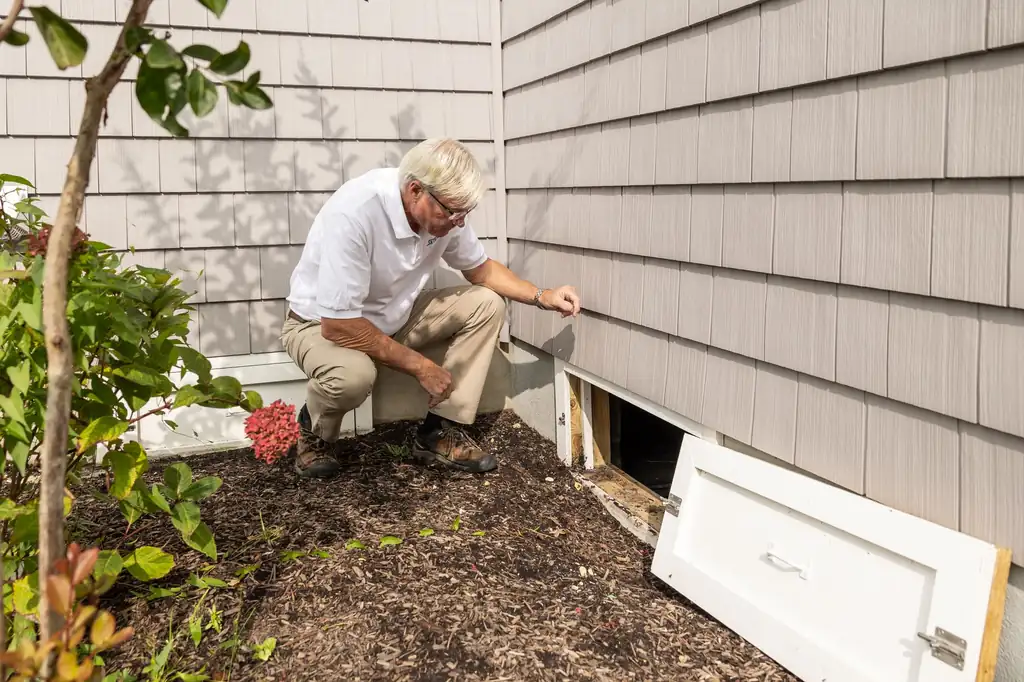
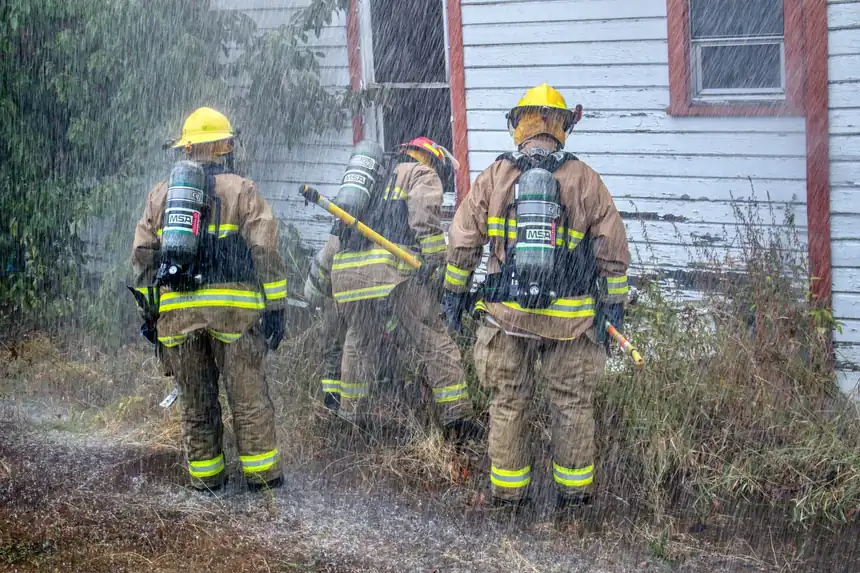
We handle roof leak water in single-family homes, duplexes, and rentals across Burleson. You get extraction, drying equipment, and daily moisture readings so you know when the structure is dry.
We dry commercial spaces after roof leaks without shutting down your operation longer than needed. Property managers get documentation for the owner and the insurer.
Roof leak water cleanup Burleson TX is the process of removing standing and trapped water that enters a home through a failed roof, then drying the ceiling, insulation, and framing before mold takes hold. Water travels along rafters, so the stain on your ceiling is rarely directly under the hole. We use a moisture meter and a thermal imaging camera to map the full path, then a truck-mounted water extractor pulls bulk water from insulation and drywall. A portable water extraction unit handles tight attic spaces where a hose cannot reach.
Most calls we run in Burleson start the same way: a homeowner notices a brown ring on the ceiling after a hard rain, or a property manager finds wet insulation during a routine walk-through. Texas roofing takes a beating from hail and wind-driven rain, and a small flashing failure can dump gallons into an attic overnight. If you are searching for roof leak water cleanup near me Burleson TX at 2 a.m. during a storm, that is exactly the call we built our schedule around.
We trace the water, pull it out, and dry the structure to a measured standard.
You will know what is happening at every stage. Here is the sequence we run on a typical Burleson roof leak call, from the first phone ring to the final moisture reading.
You call, we ask three questions: where is the stain, how long has it been wet, and is the roof still leaking. That tells us what to load. We give you an arrival window on the call and text you when the truck is rolling. If the roof is still open, we tell you how to tarp it safely from the ground while you wait.
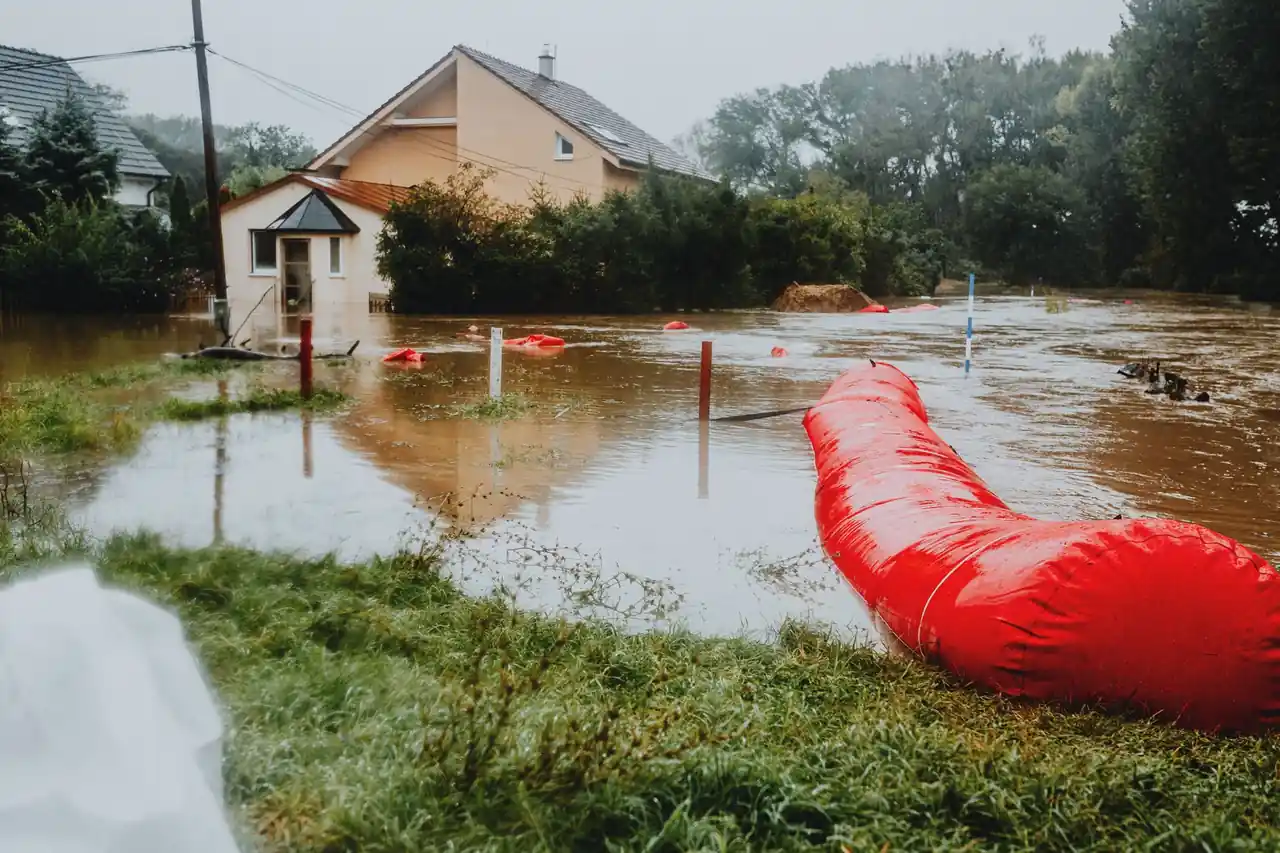
A technician walks the attic with a moisture meter and thermal imaging camera to trace where the water traveled. We check rafters, insulation, and the back of the ceiling drywall. This takes 20 to 40 minutes on a typical single-story home and tells us exactly how far the damage reaches before we cut anything.
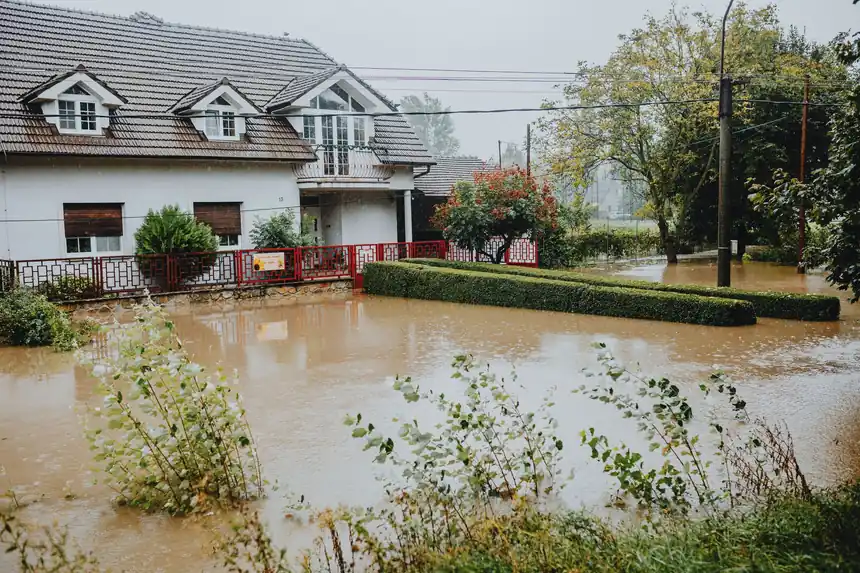
We pull bulk water with a truck-mounted water extractor and a portable water extraction unit for tight attic runs. Saturated insulation comes out in bags, because wet insulation holds water against the framing and will not dry in place. Absorbent pads go down under any remaining drips while we work.
We place air movers and dehumidifiers sized to the cubic footage of the affected space. A desiccant dehumidifier handles deep humidity in closed attic cavities. Equipment runs two to four days on most jobs, and we check moisture readings daily so you are not paying for dry time you do not need.

We take a final moisture reading against the dry standard and photograph the results. You get a written summary of what was wet, what we removed, and what to watch for. If a ceiling panel needs replacement, we tell you before we leave so you can line up a drywall crew or let us handle it.

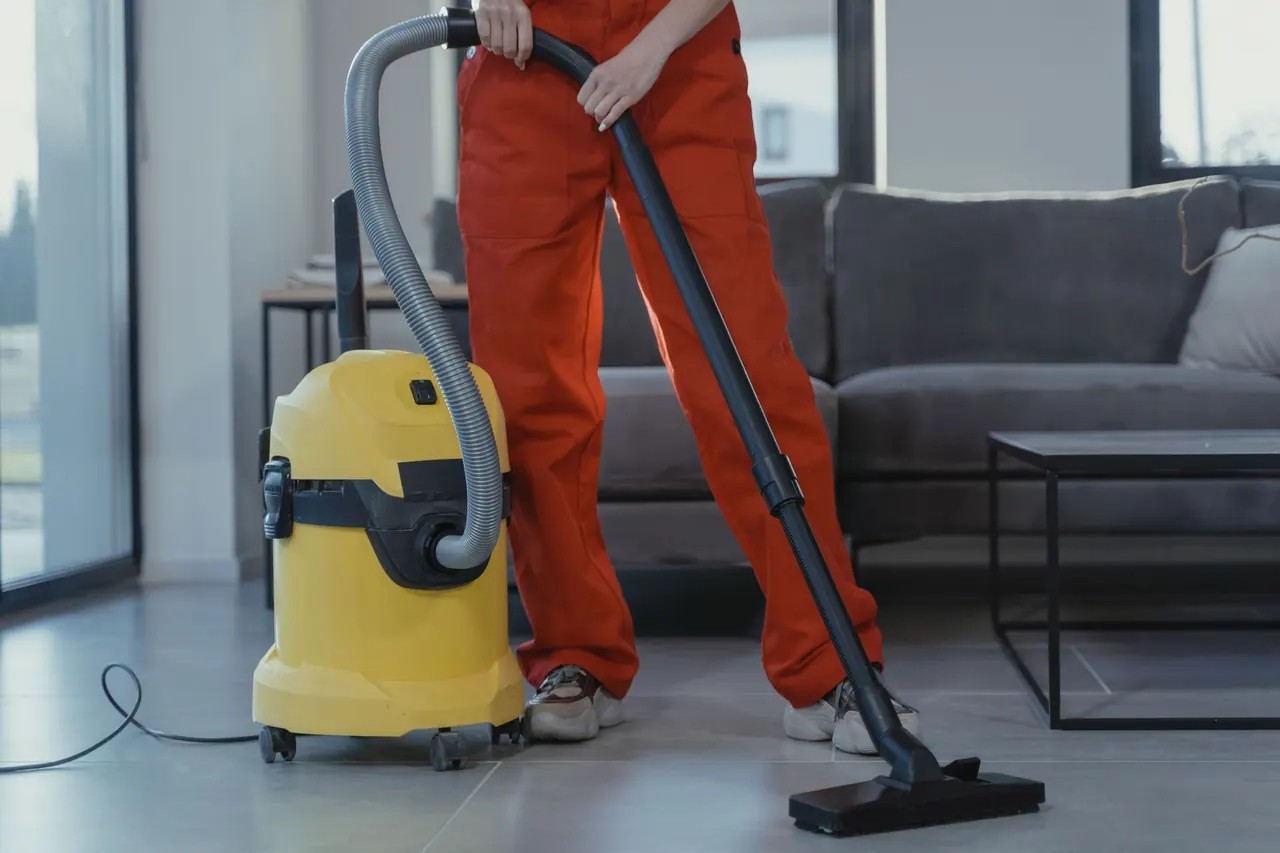
Pulls bulk water from ceiling cavities, insulation, and flooring fast. The truck-mounted unit generates far more suction than a shop vac, which matters when gallons are sitting in a ceiling.
Reaches attic corners, closets, and tight runs where a truck hose cannot go. We use it alongside the truck unit so no pocket of standing water gets left behind.
Shows temperature differences that reveal wet framing and insulation behind drywall. It is how we find water that traveled away from the visible stain before we cut anything open.
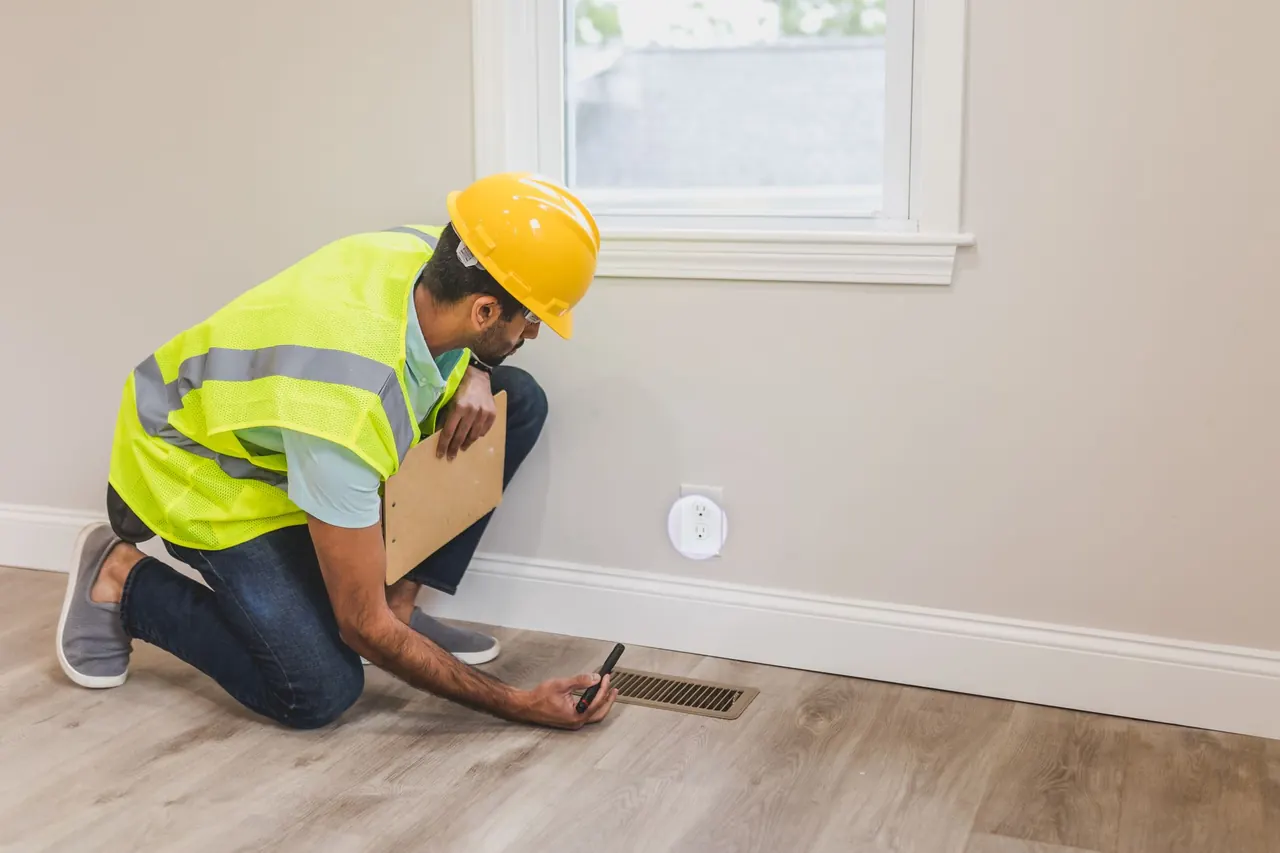
Gives us a numeric reading on how wet a material is and when it has reached the dry standard. We log readings daily so the drying schedule is based on data, not guesswork.
Move air across wet surfaces and pull moisture out of the air so the structure can dry. We size them to the cubic footage of the affected space and adjust as readings change.
Handles deep humidity in closed attic cavities where a standard refrigerant dehumidifier struggles. It is the right tool when the wet area is sealed off from the rest of the house.
Clean up residual water and catch drips while drying equipment runs. Pads go under active drip points so water does not wick back into materials we already dried.

We dry to the IICRC S500 standard, which sets the dry standard for different materials and the conditions needed to get there. It is the same standard your insurance adjuster uses to evaluate whether a dry-out was done correctly.
We arrive, map the moisture above the stain, extract water from the ceiling cavity and insulation, and set drying equipment. We photograph everything for the claim and tell you whether the drywall can be saved. The ceiling is dry within three days, the stain is primed and painted, and you have documentation for your insurance adjuster.
We run a thermal scan to find the full extent of the moisture, remove saturated insulation, apply antimicrobial solution, and set drying equipment. Daily moisture readings confirm the structure is drying on schedule. The unit is dry and ready for new insulation and paint, with a written summary you can hand to the owner and the insurer.
We treat it as an active leak, extract the water, and dry the ceiling assembly. We check the light fixture and wiring area for moisture and tell you what the roofer needs to address at the breach. The drip stops, the ceiling dries without sagging, and you know exactly what roof repair will prevent a repeat.
We extract the carpet and pad, pull the pad if it is saturated, and dry the subfloor and wall base. Because the home predates 1978, we follow EPA Lead-Safe practices when disturbing painted materials. The carpet is dried or replaced, the subfloor hits the dry standard, and the lead-safe documentation is on file.
Burleson sits in Johnson County where spring and fall storm systems drop heavy rain in short windows, and hail is a regular visitor. That combination drives most of our roof leak calls: wind lifts shingles, hail cracks sealant around vents and flashing, and the next hard rain finds the gap. October and November bring the tail end of storm season, then winter freezes can open seams further. Older homes near Old Town Burleson and Downtown Burleson often have original flashing and chimney details that fail first, while newer builds out toward Creekside and Parkridge deal more with wind-driven rain pushing under ridge caps. Attic construction varies too. Some Burleson homes have deep, accessible attics where we can run a truck-mounted extractor hose; others have low-pitch spaces that force us to use a portable water extraction unit and smaller air movers. We also account for Texas summer heat, which can bake moisture into a closed attic and slow drying if the space is not ventilated during the dry-out. If you need emergency roof leak water extraction in Burleson, Texas, we adjust the equipment setup to your attic, not a one-size template.
A storm lifted shingles over a bedroom in Willow Creek and water ran down a rafter overnight. The ceiling showed a two-foot brown stain, and the insulation above it was saturated. The homeowner had not been in the attic and did not know how far the water had spread.
We extracted the water, removed the wet insulation, and dried the ceiling assembly in three days. Moisture readings confirmed the drywall hit the dry standard, so the panel was saved. Final cost came in under the estimate because no drywall replacement was needed.
Keep the attic ventilated and check the ceiling after every hard storm. Have the roof flashing repaired before the next rainy season so the same gap does not reopen.
A property manager at Gateway Station found wet insulation and a musty smell during a walk-through. The leak had been slow, and moisture had spread across two ceiling bays. The unit was vacant but needed to be rent-ready quickly.
We mapped the moisture with a thermal camera, removed the saturated insulation, applied antimicrobial solution, and dried the structure in four days. New insulation went back in, and the unit was painted and listed within a week of the first call.
Schedule a roof inspection after every hail season. A slow leak caught during a walk-through costs far less than one found by a tenant.
Chimney flashing failed on an older home near Old Town Burleson, and water ran down inside the wall and soaked the hallway carpet. The pad was saturated, and the subfloor was wet at the baseboard. The home predated 1978, so lead-safe practices applied.
We extracted the carpet, pulled the wet pad, and dried the subfloor and wall base in three days. Moisture readings confirmed the subfloor was dry, and new pad and carpet went down. Lead-safe documentation was included in the file.
Have the chimney flashing inspected and resealed before fall rains. Check the baseboard and carpet after storms for signs of wicking.
A roof leak rarely announces itself cleanly. It hides, spreads, and shows up somewhere you were not looking. These are the situations we get called for most often in the Burleson area.

We map the moisture above the stain with a thermal camera, extract water from the insulation and ceiling cavity, and dry the framing. In many cases the drywall is saved and just needs a stain-blocking primer and paint. The stain is the visible edge of a wet ceiling cavity. If the insulation above it stays wet, mold can start within 24 to 48 hours and the drywall will eventually sag or crumble.
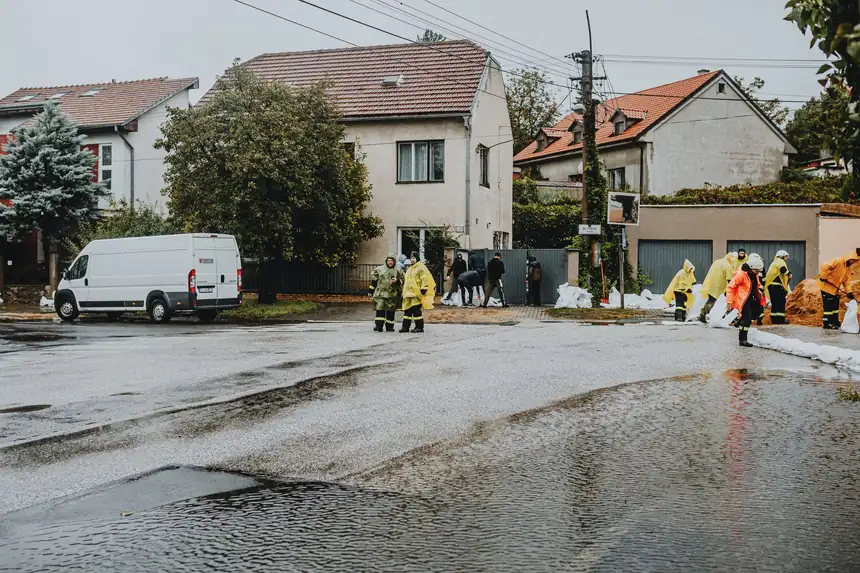
We remove saturated insulation in bags, extract standing water, and dry the framing with air movers and a desiccant dehumidifier. New insulation goes back in after the structure hits the dry standard. Saturated insulation loses its R-value and holds water against rafters and sheathing. Left in place, it keeps the whole assembly wet and can lead to rot in the roof deck.

We trace the wall cavity with a moisture meter, make small inspection openings where needed, and dry the cavity with directed air. Carpet and pad get extracted or pulled depending on how far the water traveled. Water inside a wall cavity is invisible until it reaches the baseboard or soaks the carpet. By then it has usually wet the bottom plate and the floor underneath.
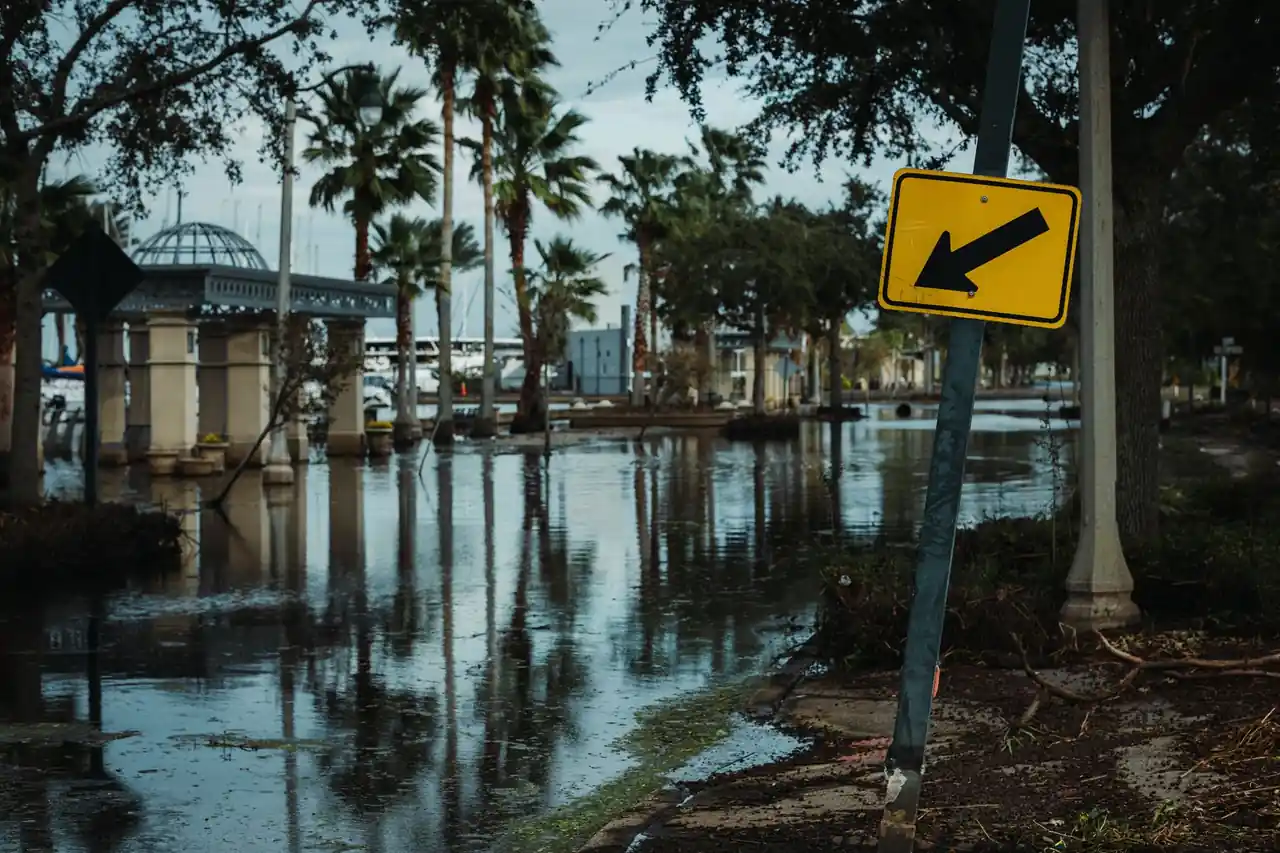
We walk you through safe tarping from the ground, shut off power to affected circuits, and get extraction equipment running. Emergency roof leak cleanup Burleson calls get priority scheduling while the leak is still active. Every additional hour of rain adds water to the ceiling and spreads the damage. Waiting for the storm to pass can turn a drywall patch into a full ceiling replacement.
Our truck-mounted water extractor pulls bulk water from ceiling cavities and insulation in one visit. Most residential jobs are dry to the touch within 24 to 48 hours once air movers and dehumidifiers are running. That speed is the difference between replacing a patch of drywall and replacing an entire ceiling.
Mold can colonize wet drywall in as little as 24 to 48 hours. We apply an antimicrobial solution to affected framing and sheathing the same day we extract. For roof leak damage cleanup Burleson, Texas homeowners get a documented dry standard, not a guess, so you know the structure is actually dry before we pack up.
We photograph moisture readings, thermal images, and affected materials before and after drying. Those files go straight into an Xactimate-compatible report your adjuster can read. It shortens the claim cycle and gives you proof of the loss if the roof repair and the water damage end up on separate claims.
When we get there fast, we often save the drywall and just repaint. Ceiling water removal from roof leak Burleson TX calls that arrive within a day usually avoid full ceiling replacement. We tell you honestly which panels can be dried and which are too saturated to save, with moisture readings to back it up.
Roof leak water remediation Burleson pricing depends on how far the water traveled, what materials it soaked, and how many days of drying are needed. Typical 2026 pricing in this area runs $450 to $1,800 for a residential cleanup, with most jobs landing in the $700 to $1,200 range. Small ceiling stains with minimal saturation sit at the low end. Water that soaked a vaulted ceiling, exterior wall, and carpet pushes toward the top. We give you a range before we start and tell you what would move the number.
What your estimate is based on
$450 - $1,800 depending on scope You are paying for fast extraction, properly sized drying equipment, daily moisture verification, and documentation your insurer can use. Skipping any of those steps is how a $700 cleanup becomes a $6,000 ceiling and insulation replacement.
Clear records you can keep and share.
Daily readings showing the structure drying
Images of wet materials and thermal scans
What was wet, removed, and left to repair
The stain on your ceiling is rarely directly under the roof breach. Water follows rafters and can travel ten feet before it drips through.
A thermal scan shows where the water actually went. Cutting at the stain can miss the wet framing above it.
Insulation will not dry in place and holds water against wood. Removing it protects the framing and the roof deck.
A ceiling that feels dry can still hold moisture. We log readings until the structure hits the dry standard.
Outside these areas? Call and ask, we may still be able to help. (817) 555-0123
A water damage restoration company with IICRC-trained technicians handles it, and that is what we do. We extract the water, remove saturated insulation, set drying equipment, and document the loss for your insurance claim. A roofer patches the roof itself; we handle everything the water touched below it. Call us first so the drying starts while the roof repair gets scheduled.
Most residential roof leak cleanups in the Burleson area run $450 to $1,800 in 2026, depending on how much insulation and drywall is wet and how many days of drying are needed. A small ceiling stain with minimal saturation sits at the low end. Water that soaked a vaulted ceiling and exterior wall pushes toward the high end. We give you a range before we start.
Extraction and drying setup happen the same day in most cases. We can be on-site within a few hours for active leaks, pull the bulk water, and have air movers running before we leave. Full dry-out takes two to four days because drywall and framing release moisture slowly. The roof patch itself is a separate trade, and we can point you to a roofer.
Most homeowners policies cover sudden roof leak water damage, including extraction and drying, when the leak came from a storm or a sudden failure. Long-term neglect is usually excluded. We photograph moisture readings and affected materials and produce an Xactimate-compatible report so your adjuster has what they need. You still file the claim; we just make the documentation easy.
Every hour a wet ceiling sits adds repair cost. We answer the phone, give you an arrival window, and show up with the extraction and drying equipment already loaded. Call (817) 555-0123 and we will get the water out today.
Call (817) 555-0123 any time, day or night, and a live dispatcher will take your information and send the closest crew. Most Burleson addresses see a technician within 60 to 90 minutes. You can also email info@waterextractionburlesontx.com for non-emergency questions or to send photos of the damage.